

As an employer, ensuring the safety and well-being of your employees is paramount, especially when it comes to tasks involving manual handling. Manual handling encompasses a range of activities such as lifting, lowering, pushing, pulling, carrying, and moving loads using hands or bodily force. These tasks, if not completed appropriately, can result in serious injuries, harming both your employees’ health and your company’s productivity.
To reduce the dangers related to manual handling, it is vital to create appropriate safety and training programs. Here are some basic strategies for avoiding manual handling accidents in the workplace.
- Carry Lighter Loads
One of the best ways companies can prevent manual handling injuries at work is to encourage employees to carry lighter loads. These injuries, often resulting from lifting, carrying, or moving heavy objects, can lead to significant physical harm, including musculoskeletal disorders, sprains, and strains. By promoting the handling of lighter loads, companies can minimise the risk of such injuries, thereby protecting employees’ health and well-being.
Companies should implement practical measures such as providing adequate training on proper lifting techniques, ensuring the availability of mechanical aids like trolleys and hoists, and redesigning tasks to reduce the need for manual handling. This proactive approach not only reduces the incidence of workplace injuries but also enhances overall productivity and employee morale. When workers feel safe and supported, they are more likely to perform efficiently and with greater satisfaction.
Moreover, prioritising manual handling safety reflects a company’s commitment to compliance with occupational health and safety regulations. It highlights the organisation’s dedication to creating a safe working environment, which can improve its reputation and attract the industry’s top talents.
- Reduce Carrying Distances
Reducing carrying distances is another way to prevent manual handling injuries at work since prolonged or repetitive carrying over long distances can significantly increase the risk of musculoskeletal disorders and other injuries. By minimising the distance employees need to carry loads, companies can alleviate physical strain and reduce the likelihood of injuries such as sprains, strains, and chronic back pain.
Companies should implement strategic workplace design and workflow improvements. It may include reorganising the layout of workspaces to position materials and equipment closer to the point of use, thereby minimising unnecessary movement. Additionally, providing mechanical aids like carts, conveyors, or automated systems can further reduce the need for manual carrying.
Educating employees on proper manual handling techniques and encouraging team lifting for heavier or bulkier items can also play a crucial role in reducing the physical demands on workers. Companies should conduct regular risk assessments to identify and address potential hazards related to manual handling tasks.
Aside from enhancing employee safety, reducing carrying distances can also boost overall efficiency and productivity. Workers not burdened by excessive physical strain are likely to be more productive and have higher job satisfaction.
- Provide Sufficient Training
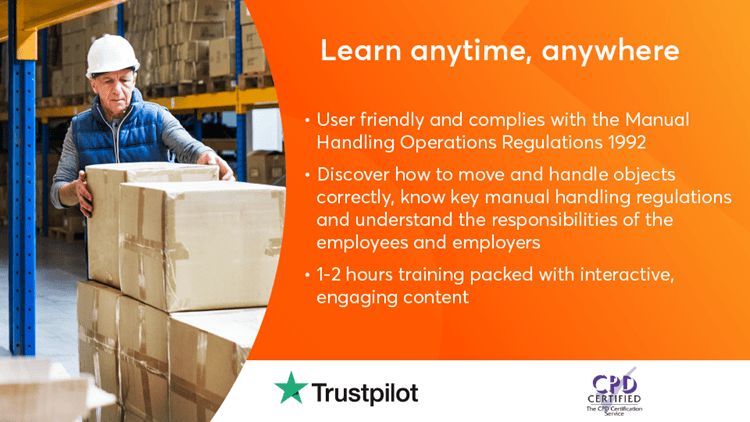
Providing manual handling training courses can significantly help prevent accidents at work. Manual handling tasks, which include lifting, carrying, pushing, or pulling objects, are a common cause of workplace injuries, leading to musculoskeletal disorders, strains, sprains, and chronic conditions. Proper training equips employees with the knowledge and skills to perform these tasks safely, significantly reducing the risk of accidents and injuries.
Manual handling training covers several critical areas. From educating workers on safe lifting techniques, such as maintaining a stable base to bending the knees instead of the back and keeping the load close to the body, proper training is crucial for safety. Understanding these principles helps employees avoid awkward postures and excessive strain, which are primary contributors to injuries.
Training emphasises the importance of assessing the load before lifting. Employees learn to evaluate the object’s weight, size, and stability and to seek assistance or use mechanical aids when necessary. The proactive approach helps prevent overexertion and accidents caused by attempting to handle loads that are too heavy or unwieldy.
Moreover, training includes the proper use of equipment designed to assist with manual handling tasks, such as trolleys, hoists, and conveyor belts. Familiarity with these tools and their correct operation ensures that employees can effectively reduce physical effort and minimise injury risks.
Providing manual handling training to employees is also another way to promote a culture of safety within the organisation. When employees know the risks and how to mitigate them, they can follow best practices and encourage their peers to do the same. This collective commitment to safety leads to fewer workplace accidents, lower absenteeism, and increased productivity.
- Ask for Help
Companies should encourage employees to ask for help when performing manual work to ensure safety. Many manual handling tasks can be physically demanding and pose a significant risk of injury, particularly when employees attempt to handle heavy or awkward loads alone.
Encouraging teamwork and using buddy systems for lifting and carrying tasks can prevent overexertion and ensure they can manage loads more safely and efficiently. Additionally, employees should know how to recognise their physical limits and capabilities and to use mechanical aids when needed.
Creating an environment where employees feel comfortable seeking help can boost morale and productivity. Workers who know they can rely on their colleagues are more likely to feel supported and valued, leading to a more positive and collaborative workplace culture.
Ultimately, promoting the practice of asking for help in manual work tasks is a simple yet effective strategy to safeguard employee health and well-being, ensuring a safer and more productive work environment.
- Use a Mechanical Aid
Using mechanical aids is an effective strategy to minimise injury in the workplace. Mechanical aids, such as trolleys, hoists, forklifts, and conveyor belts, significantly reduce the physical effort required to lift, carry, push, or pull heavy or awkward loads. By decreasing the reliance on human strength and endurance, these tools help prevent common injuries such as musculoskeletal disorders, strains, and sprains.
Employing mechanical aids allows for safer and more efficient handling of materials. For example, a hoist can lift heavy items that would require multiple employees. It helps reduce the risk of overexertion and related injuries. Similarly, trolleys and conveyors facilitate the movement of goods over longer distances without manual carrying, thereby minimising the risk of back injuries and repetitive strain.
Aside from improving safety, integrating mechanical aids into manual handling tasks enhances productivity. Workers can perform tasks quickly with less stress. Additionally, consistently using these tools can standardise handling procedures, ensuring employees effectively follow safety protocols.


